



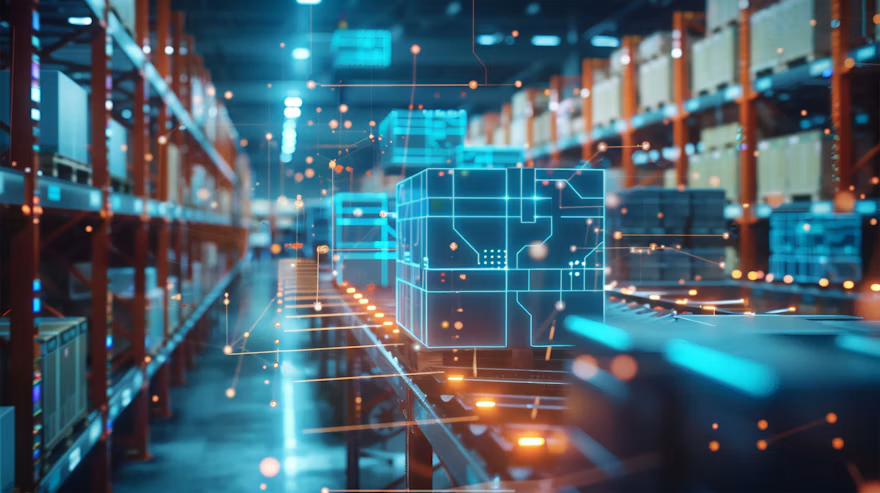
Why Just-in-Time Fails for Critical Semiconductor Components
— By Kyle Miller, Rose Delgado, and James Hill of Rand Technology. Originally published in Supply & Demand Chain Executive on November 16, 2026. A manufacturer can have shelves full
We deliver end-to-end solutions that ensure balance, mitigate risk, and drive efficiency with unmatched quality, speed, and market intelligence.

— By Kyle Miller, Rose Delgado, and James Hill of Rand Technology. Originally published in Supply & Demand Chain Executive on November 16, 2026. A manufacturer can have shelves full

New corporate office provides an enhanced base for Rand’s growing European team and regional customer support. IRVINE, Calif., September 11, 2026 – Rand Technology has expanded its operations in Amsterdam

Rand Technology is proud to congratulate Prashant Urkudey, Chief Information Officer, on his nomination for Orange County Executive of the Year as part of the LA Times Studios Orange County

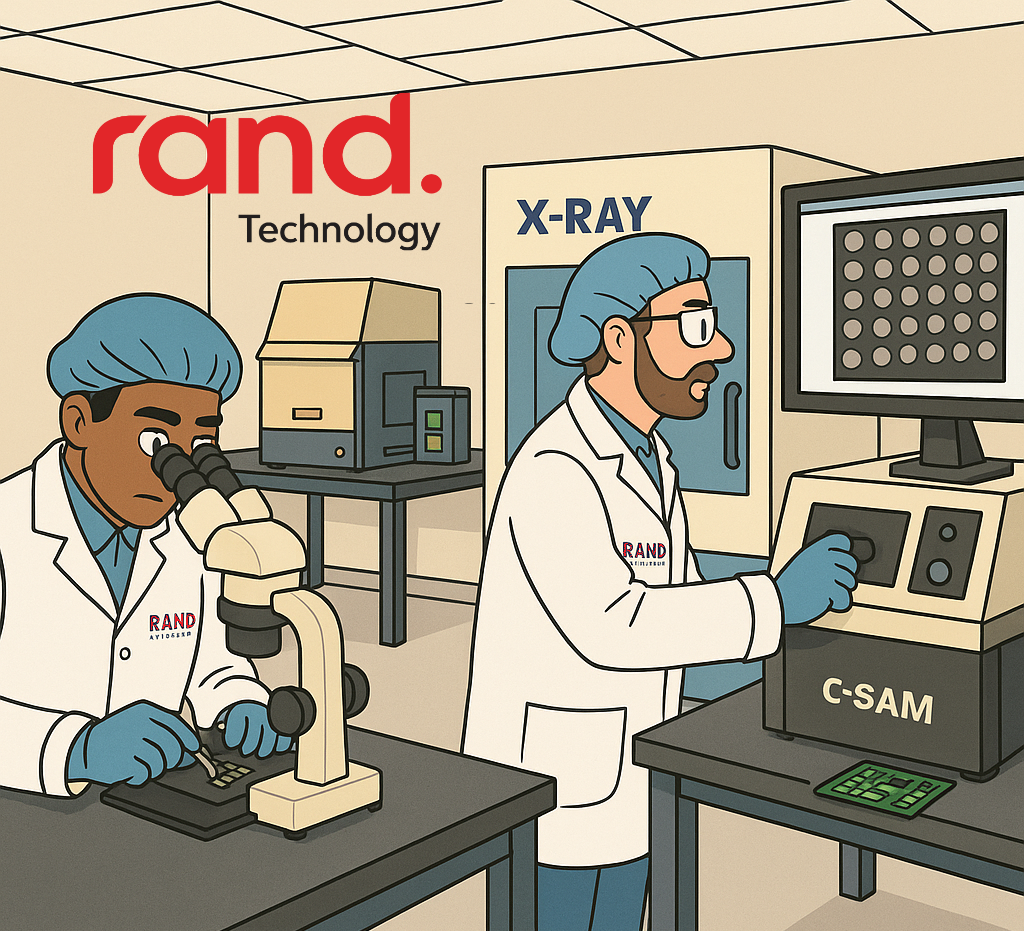
When you’re responsible for keeping high-reliability products moving—aircraft, medical devices, industrial control systems, defense platforms—the most dangerous component is the one you think you can trust. Over the last decade,

AI companies can secure processors, memory, networking, power, and cooling—and still fail to ship because of a missing capacitor. Learn why high-capacitance MLCCs are becoming a critical AI supply-chain risk

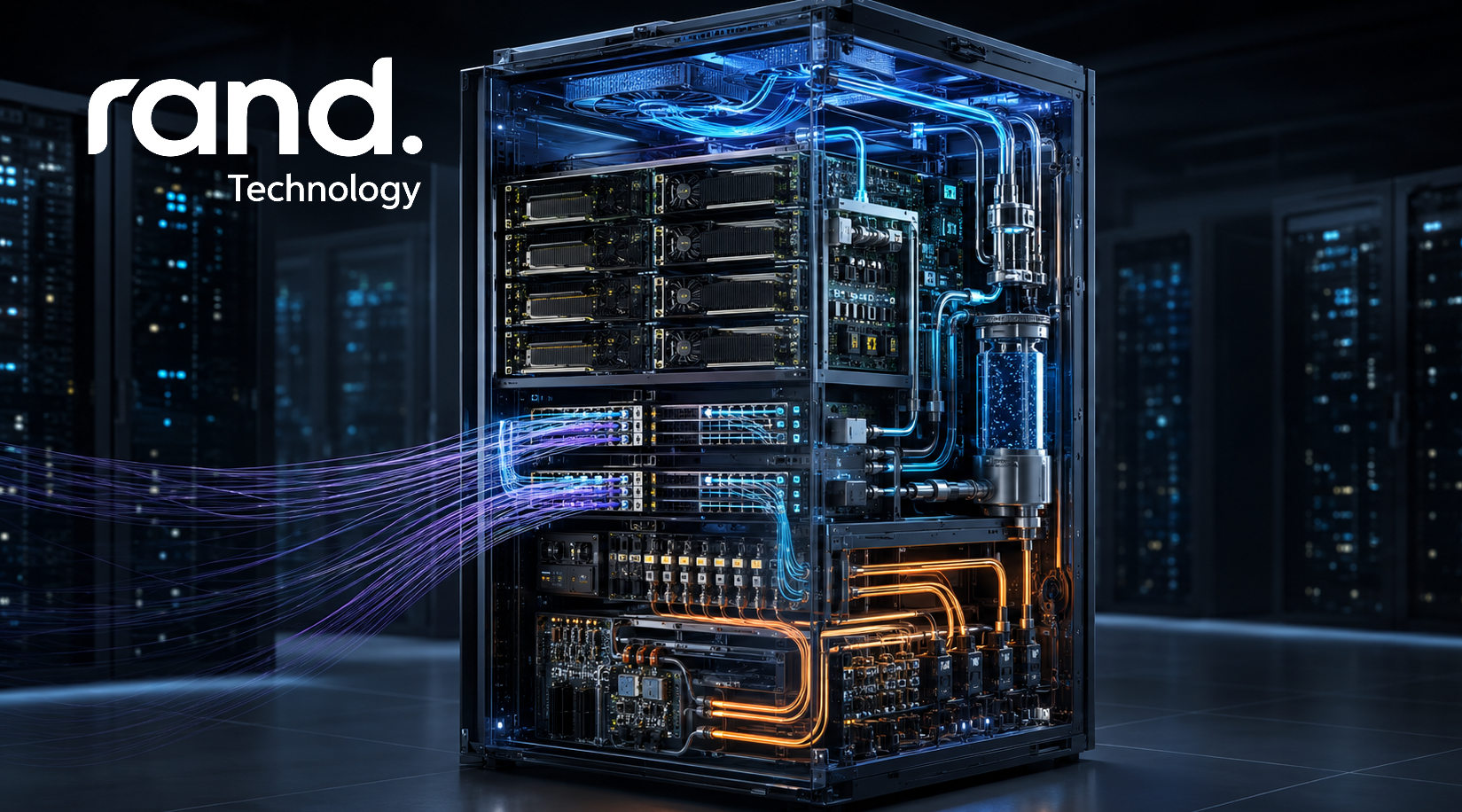
AI infrastructure is no longer defined by GPUs alone. Networking, power, cooling, optics, and supporting electronics must now be engineered and procured as one integrated system. As bottlenecks migrate across

Artificial intelligence is not simply increasing semiconductor demand. It is changing how technology must be designed, sourced, validated, manufactured, and deployed. As AI infrastructure creates deeper interdependence across compute, memory,

Artificial intelligence is transforming far more than GPU demand. Discover how AI is reshaping memory, packaging, power semiconductors, and manufacturing capacity, and why procurement leaders must rethink their supply chain

The AI supercycle has fundamentally changed the global electronics supply chain. What began as explosive demand for GPUs has expanded into broader pressure across memory, storage, networking, power infrastructure, and

Editor’s Note: This article is part of Rand Technology’s Summer Supply Chain Insights Series, exploring the forces shaping modern technology supply chains. Throughout this series, we examine resilience, strategic sourcing,
| Cookie | Duration | Description |
|---|---|---|
| cookielawinfo-checkbox-analytics | 11 months | This cookie is set by GDPR Cookie Consent plugin. The cookie is used to store the user consent for the cookies in the category "Analytics". |
| cookielawinfo-checkbox-functional | 11 months | The cookie is set by GDPR cookie consent to record the user consent for the cookies in the category "Functional". |
| cookielawinfo-checkbox-necessary | 11 months | This cookie is set by GDPR Cookie Consent plugin. The cookies is used to store the user consent for the cookies in the category "Necessary". |
| cookielawinfo-checkbox-others | 11 months | This cookie is set by GDPR Cookie Consent plugin. The cookie is used to store the user consent for the cookies in the category "Other. |
| cookielawinfo-checkbox-performance | 11 months | This cookie is set by GDPR Cookie Consent plugin. The cookie is used to store the user consent for the cookies in the category "Performance". |
| viewed_cookie_policy | 11 months | The cookie is set by the GDPR Cookie Consent plugin and is used to store whether or not user has consented to the use of cookies. It does not store any personal data. |